Graflio by product category and by job
What actually converts in your category, and how to build the specific image you need.

Amazon Listing Images for Supplement Brands
What the supplement bestsellers put in each gallery slot, the FDA and Amazon rules that decide your wording, and how to build a set that survives review.

Amazon Listing Images for Kitchen and Cookware Brands
How kitchen bestsellers answer scale, fit and heat safety in the gallery, with the dimension diagrams, comparison footnotes and material claims that hold up.

Amazon Listing Images for Pet Product Brands
Why pet listings turn on the size chart, what the bestsellers get right and wrong in theirs, and how to build a gallery that answers the fit question first.

Amazon Listing Images for Beauty and Skincare Brands
Why a before-and-after is allowed in the gallery and banned in your Store, what the skincare bestsellers put in each slot, and what Europe rewrites.

Amazon Listing Images for Electronics and Accessories Brands
Why bestselling accessories give slot two to what does not fit, what your spec callouts may legally say, and the two EU graphics that belong by your price.

Amazon Listing Images for Baby Product Brands
What the bestsellers put in the trust slot, why "CPSIA certified" is not a thing, and which safety marks actually mean something in a baby listing image.
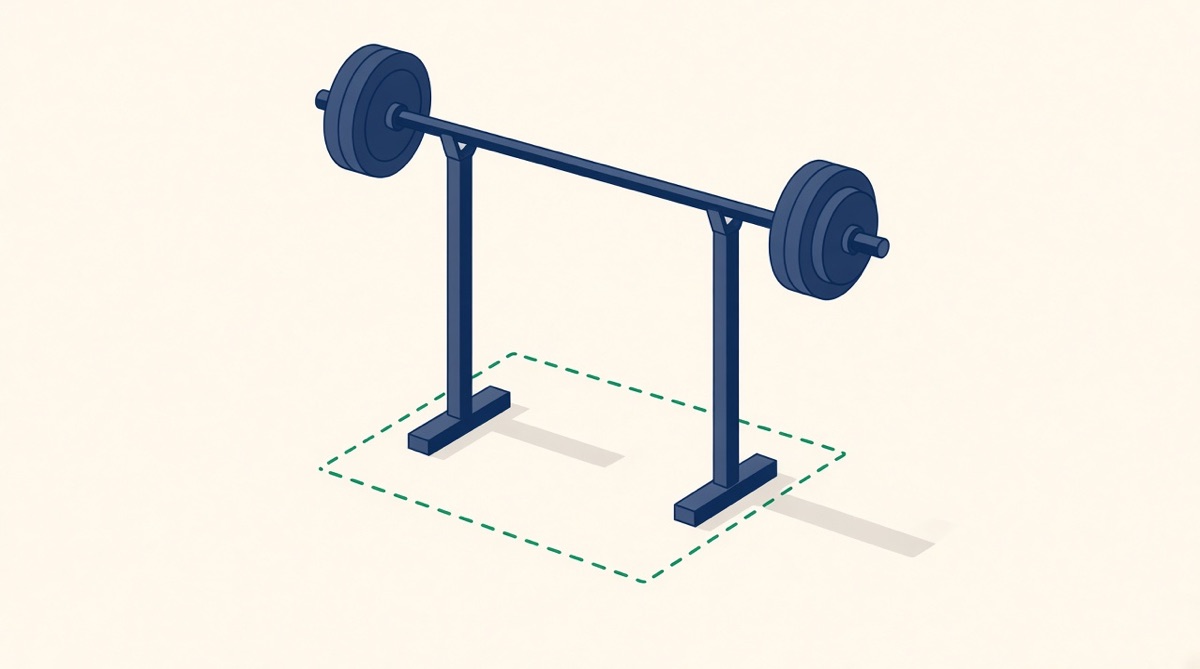
Amazon Listing Images for Fitness Equipment Brands
What the fitness bestsellers publish and what they leave out, the weight-loss claims the FTC has already ruled out, and where load ratings belong.

Amazon Listing Images for Tools and Hardware Brands
What tool buyers check before they read a word of copy, which specs belong in which gallery slot, and the material grades you must be able to defend.

Amazon Listing Images for Home Decor Brands
Scale in a real room, colour that survives a phone screen, and the dimension image that stops the returns your product name is quietly causing.
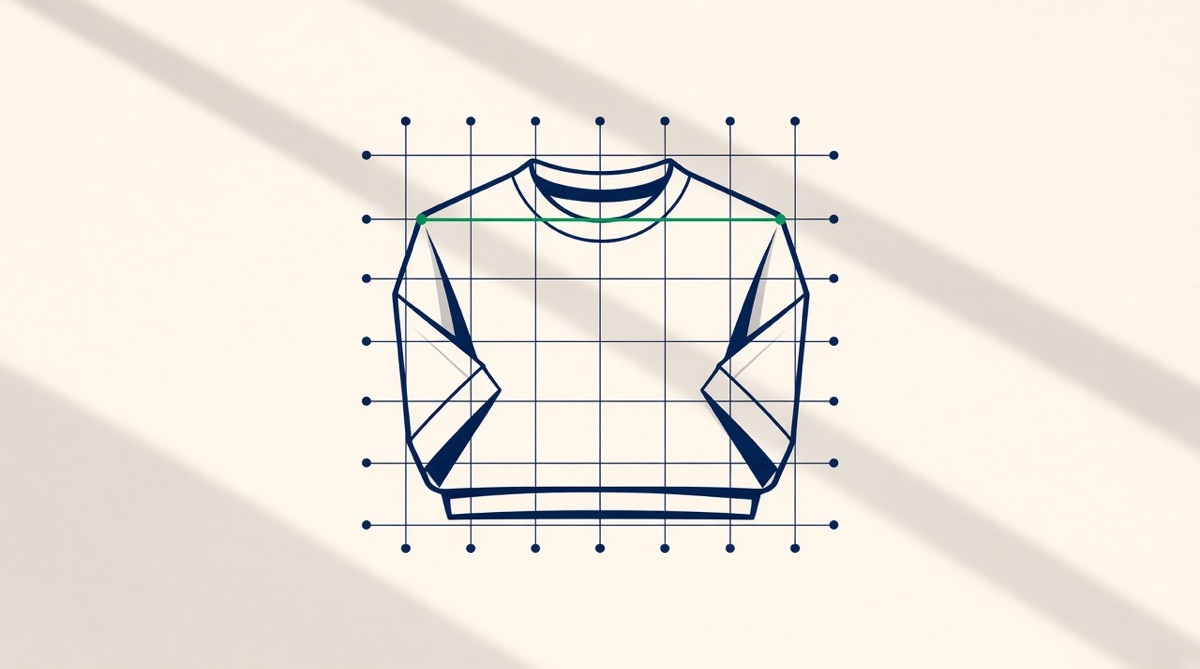
Amazon Listing Images for Apparel Brands
Apparel is the one category where AI model generation genuinely wins. Where it does, where it does not, and the size and fabric images that stop returns.

Amazon Listing Images for Toy Brands
Age grading, EN 71-6 and CPSC safety marks that must appear in the offer itself, plus the play-pattern and parts-count images that actually sell a toy.

Amazon Listing Images for Office and Stationery Brands
Amazon capped titles at 75 characters in July 2026, so pack quantity moves into the gallery. Count versus multipack, compatibility wording and B2B.

Amazon Listing Images for Automotive Parts Brands
Amazon's Part Finder owns the fitment answer, so your gallery should not repeat it. ACES data, OEM cross-references and the returns stat nobody can source.

Amazon Listing Images for Outdoor and Camping Brands
Packed versus pitched size, weight and the weather ratings that mean something: ISO 811, ISO 5912, IEC 60529 and ISO 23537-1, in your gallery.
Graflio for Agencies and Resellers
One brand kit per account, no seats and no bulk image button. What Graflio genuinely does for an agency at catalogue volume, and what it does not.

The Amazon Launch Image Set: Building a Gallery With Zero Reviews
At launch you have no data of your own, so borrow the category's: competitor review summaries, returns language and Q&A, turned into a slot-by-slot plan.

Relaunching an Underperforming Amazon Listing: Diagnose, Change One Thing, Measure
Read the funnel and the reviews before you redesign an Amazon listing, change one asset at a time, then measure in Manage Your Experiments or a pre/post.

Building Amazon A+ Content Modules: Every Dimension, Module by Module
The exact image size of every Amazon A+ module, standard and premium, with character limits, the separate mobile assets, and which modules earn their slot.

Amazon Main Image Optimisation: the Compliance Checks and What You Can Still Do
Five measurable checks on your Amazon main image, from RGB 255,255,255 to the 1,000 and 1,600 px zoom thresholds, plus the composition that is fully allowed.

Amazon Comparison Chart Images: Own Range vs Competitors
Comparing your own variants and comparing against rival brands are different jobs with different rules. What Amazon permits, and the layout maths for mobile.
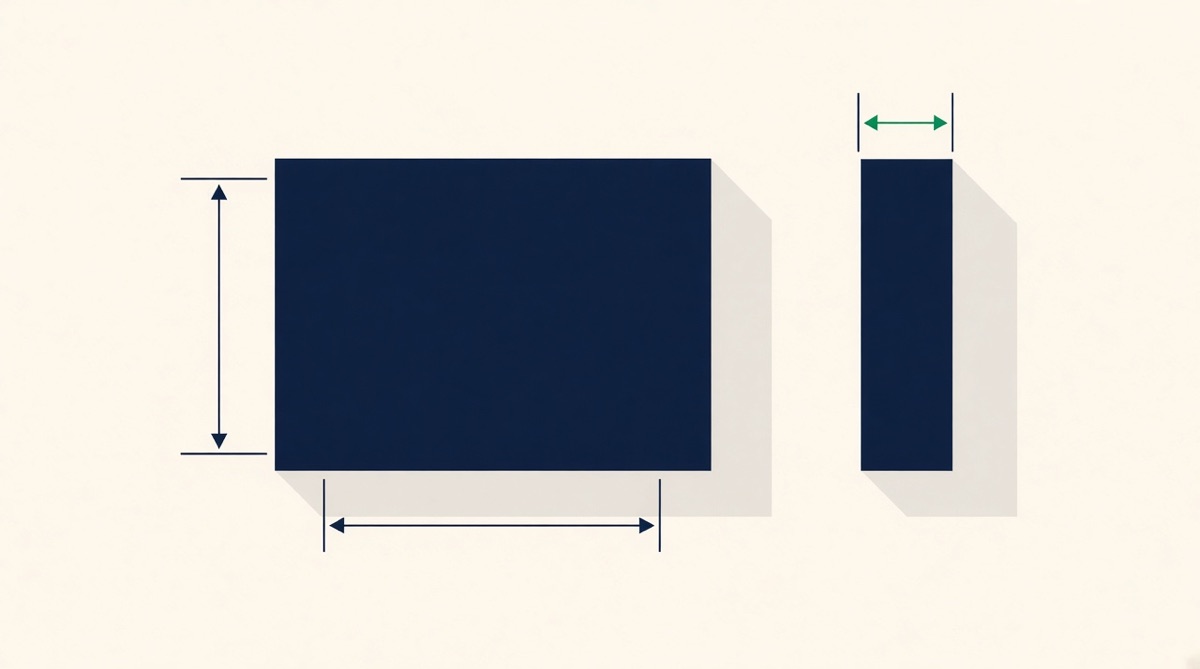
Amazon Dimension and Size Diagrams: Drawing Scale Honestly
How to build a dimensions image that prevents returns: what to measure, the EU rule on metric and imperial, reference objects that hold, six optical traps.

How-to-Use Step Images for Amazon: Sequencing and Step Count
Amazon publishes no rule on step counts, so the ceiling comes from pixels. The arithmetic, where step one starts, and numbering that survives localisation.

What's-in-the-Box Images for Amazon: Flat-Lay and Counting
Flat-lay geometry, counting a shopper can verify at a glance, and the not-included strip that cuts the returns Amazon files under MISSING_PARTS.

Variation Family Images
Which children actually need their own artwork, what Amazon requires of a parent, and how the February 2026 review-sharing change moves work onto your images.

Translating Listing Images for Other Marketplaces
Why German and French break a square layout, what the published expansion figures really say, and the units, marks and claims that change with the words.