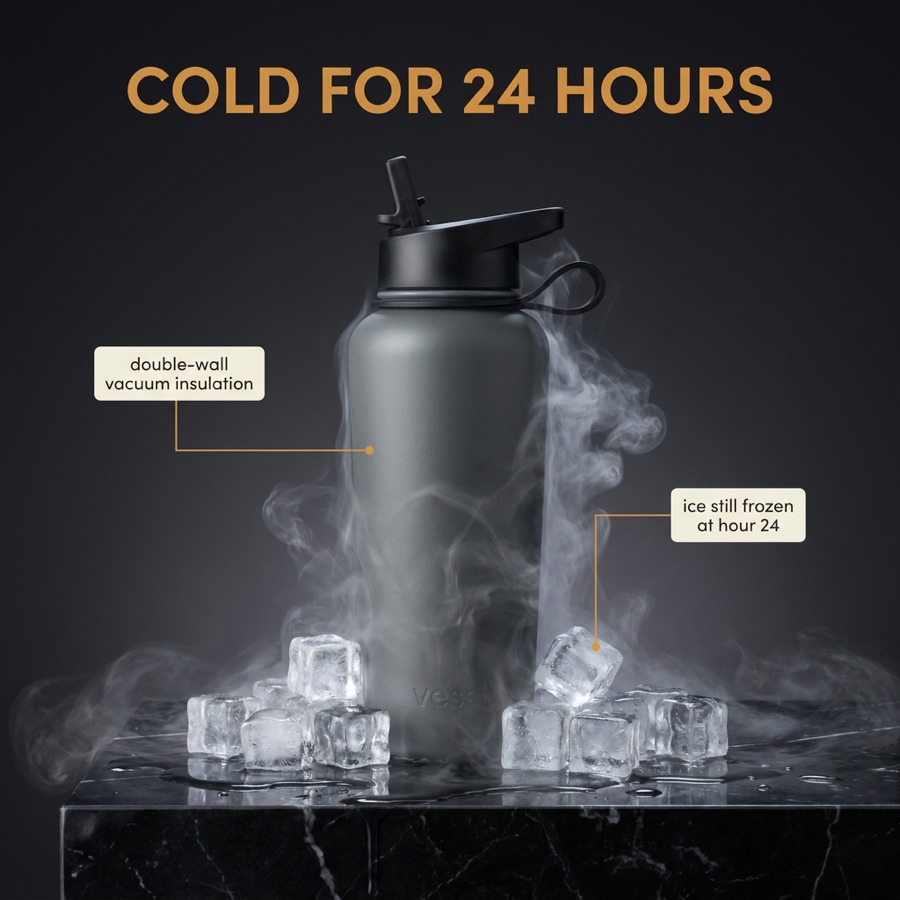
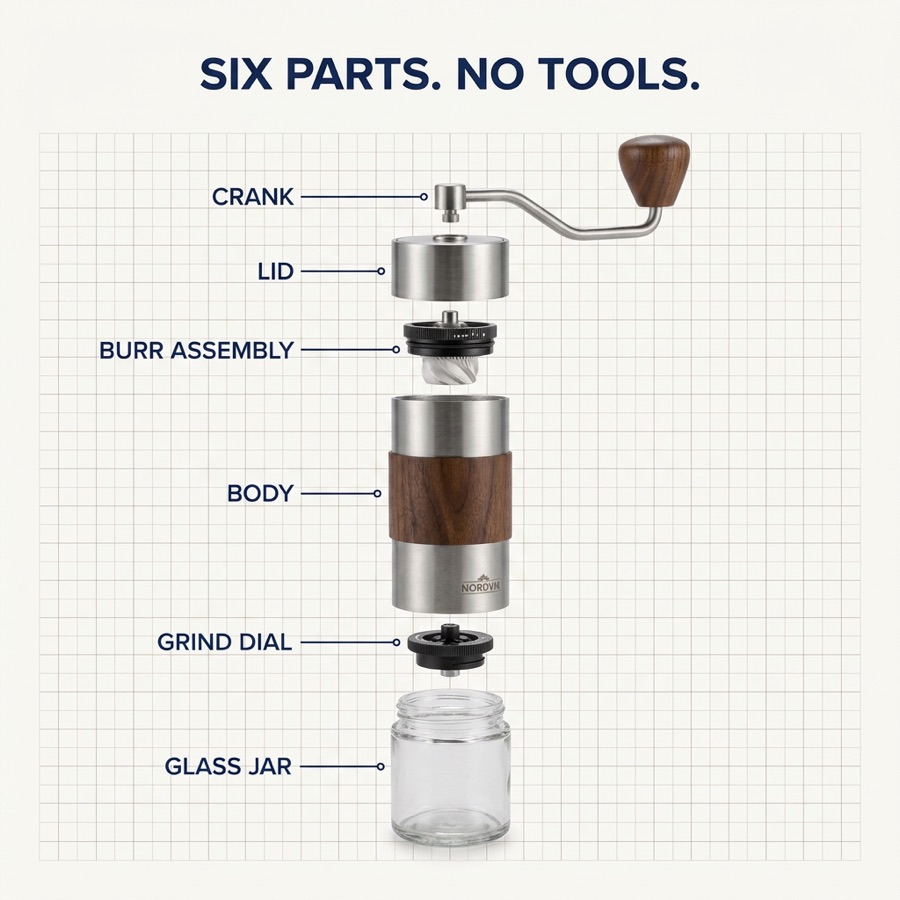
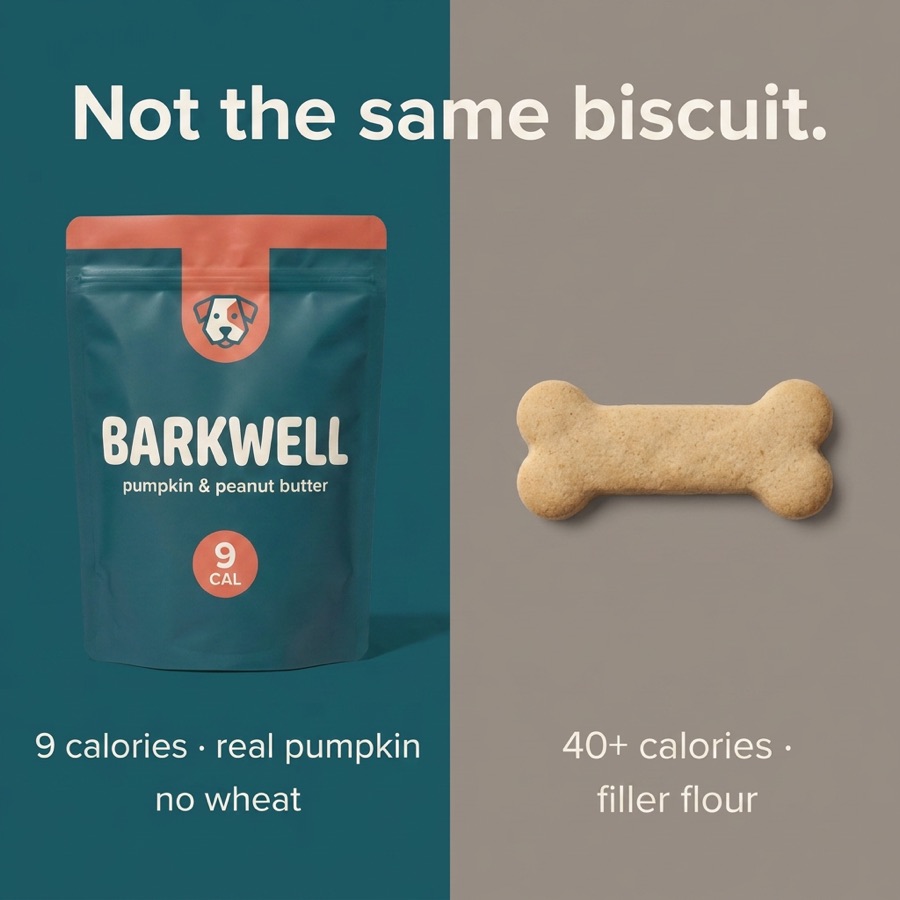
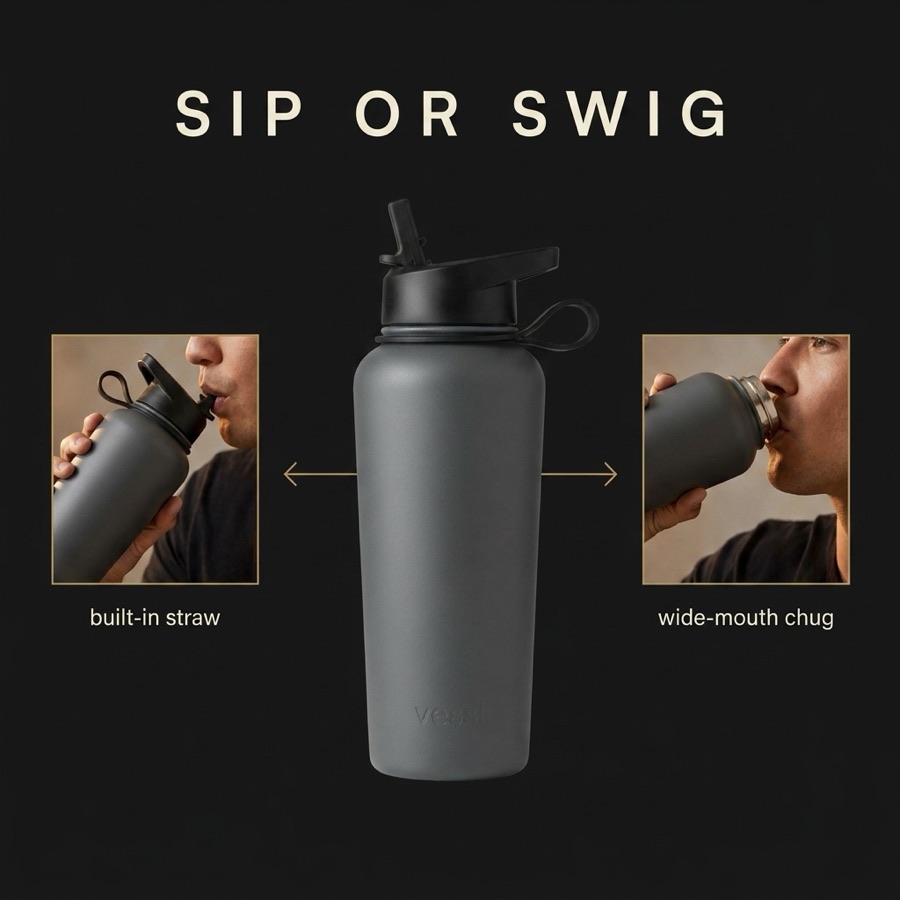
Paste one ASIN. Graflio reads the listing, its reviews and the twenty best sellers around it — then turns that evidence into a full set of infographics in your brand's colours. Every image stays editable.
one run · six images · one look — all argued from the brief below
Square, high-resolution and ready for the places you sell
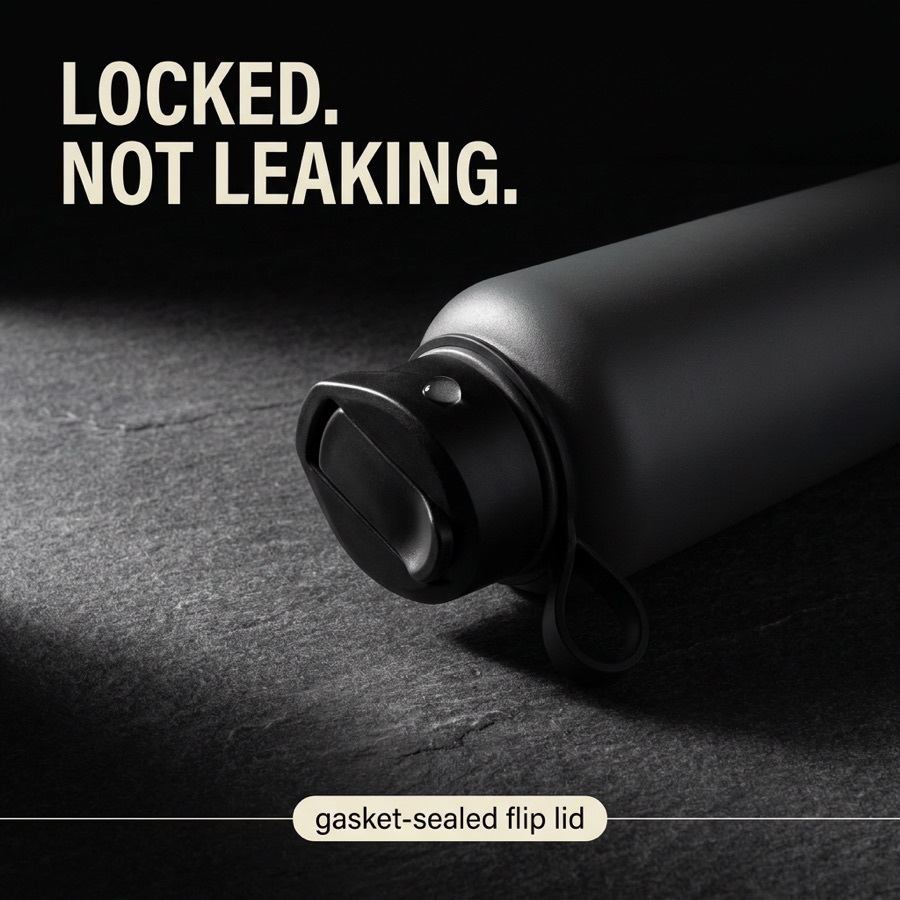
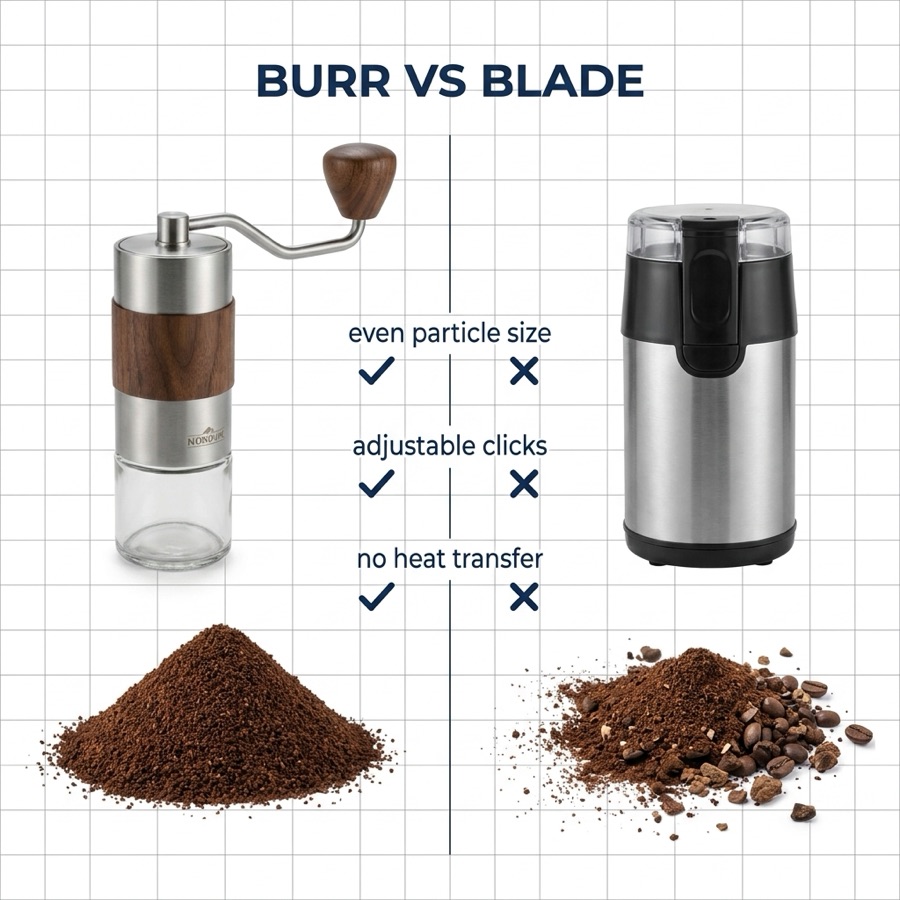
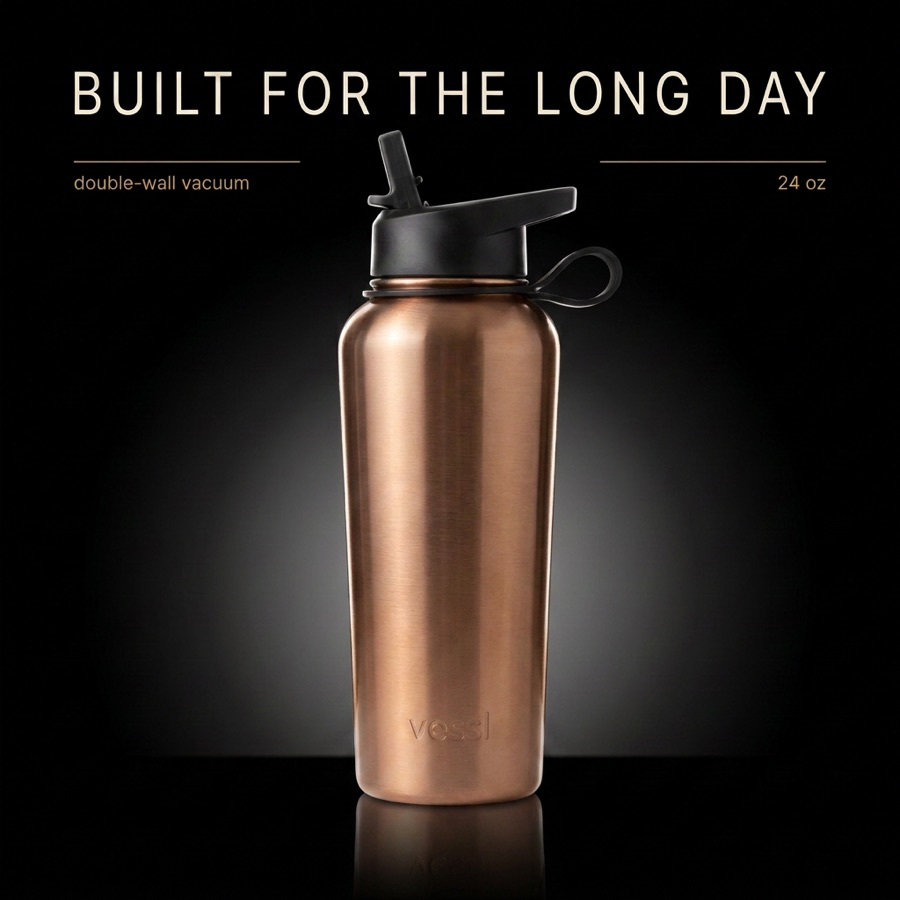
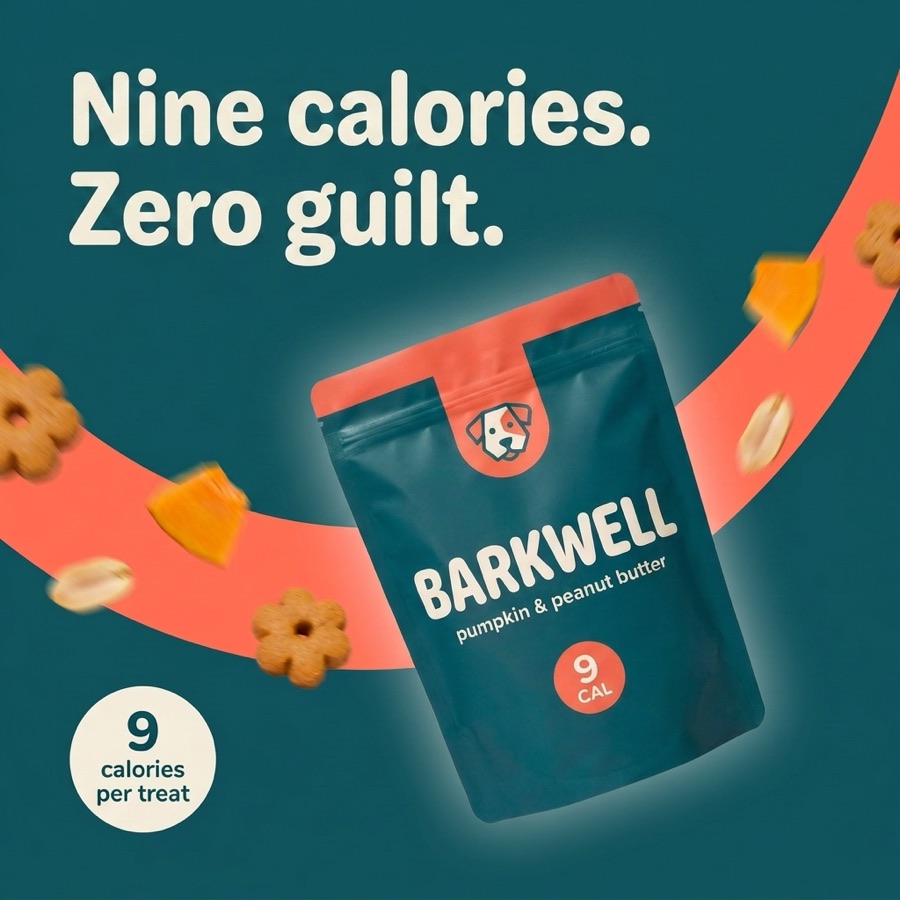
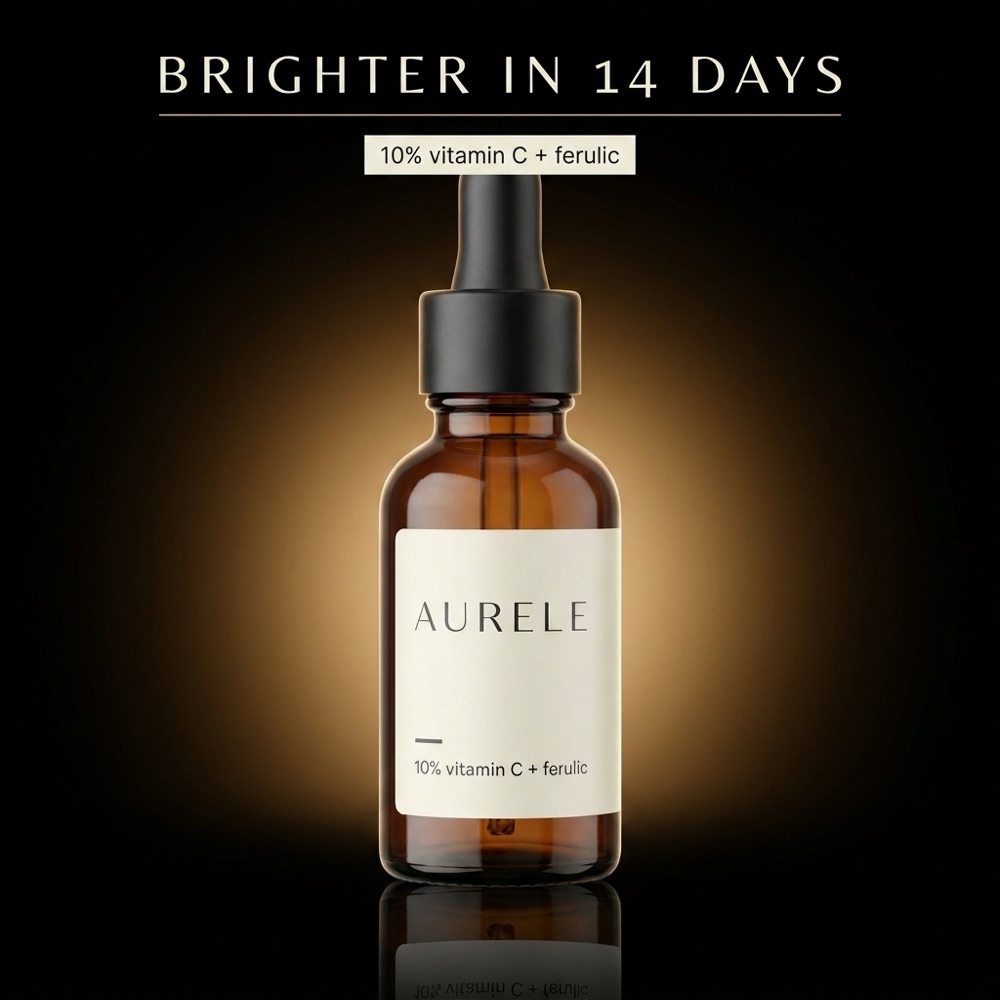
Real output, not mockups — one square infographic per angle, spun out of a single Amazon listing.


Drag to spin · four invented products, four style modes
Here's what a brief looks like — the reviews it read, the pain points it found, the competitors it fetched and the USPs it can prove. You read all of it before a single image is generated. (Example product, so nobody's brand gets borrowed.)
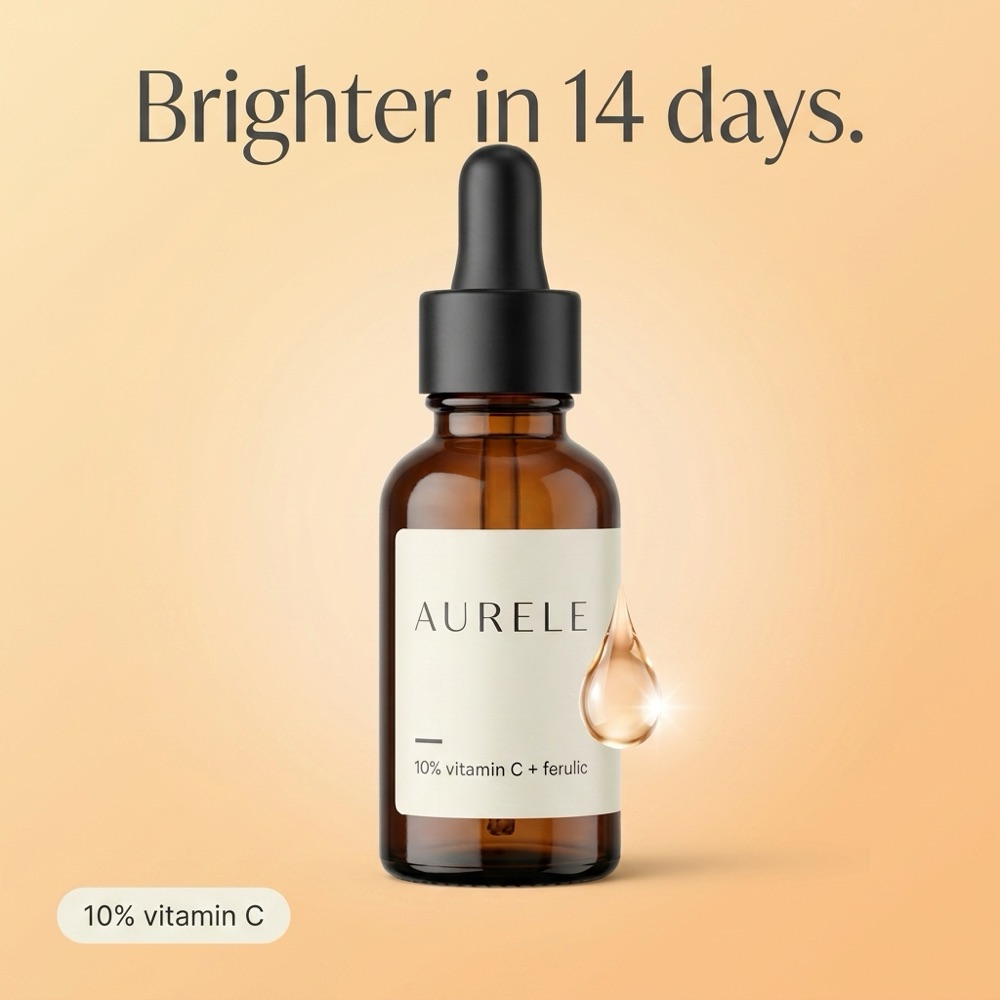
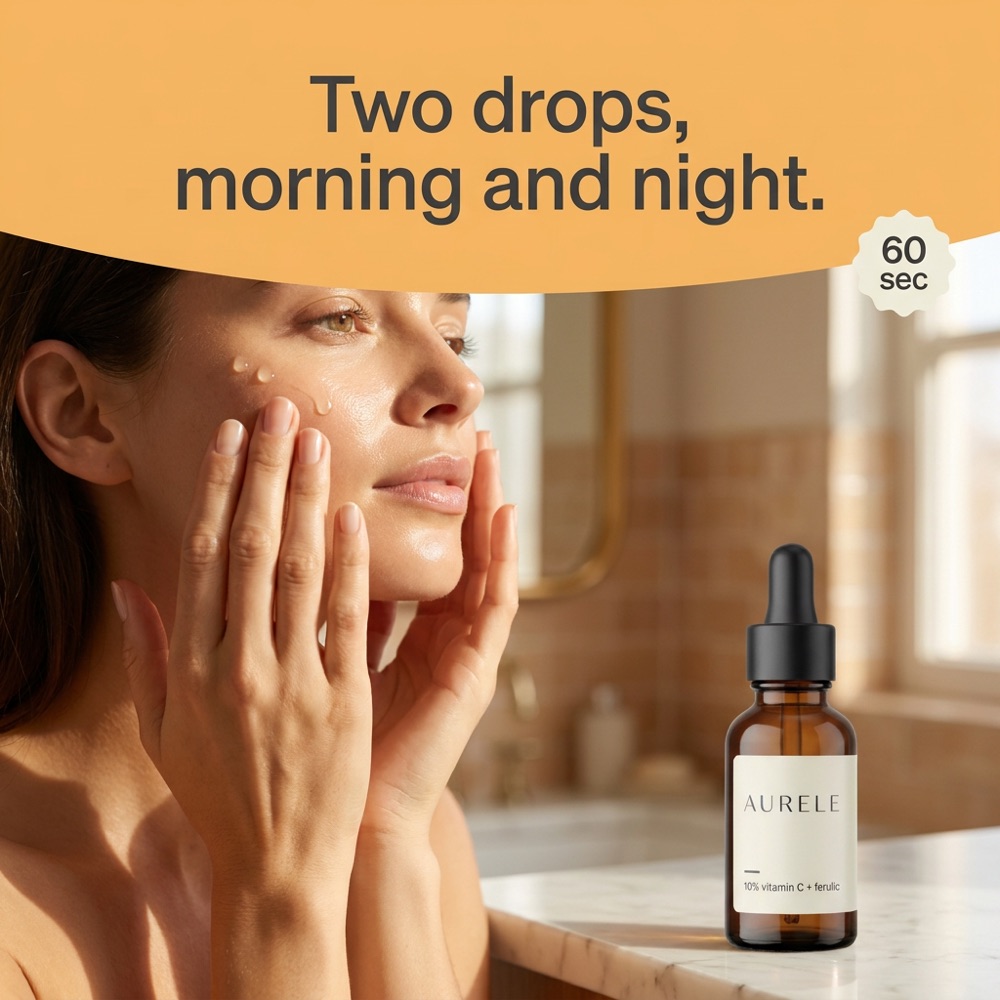
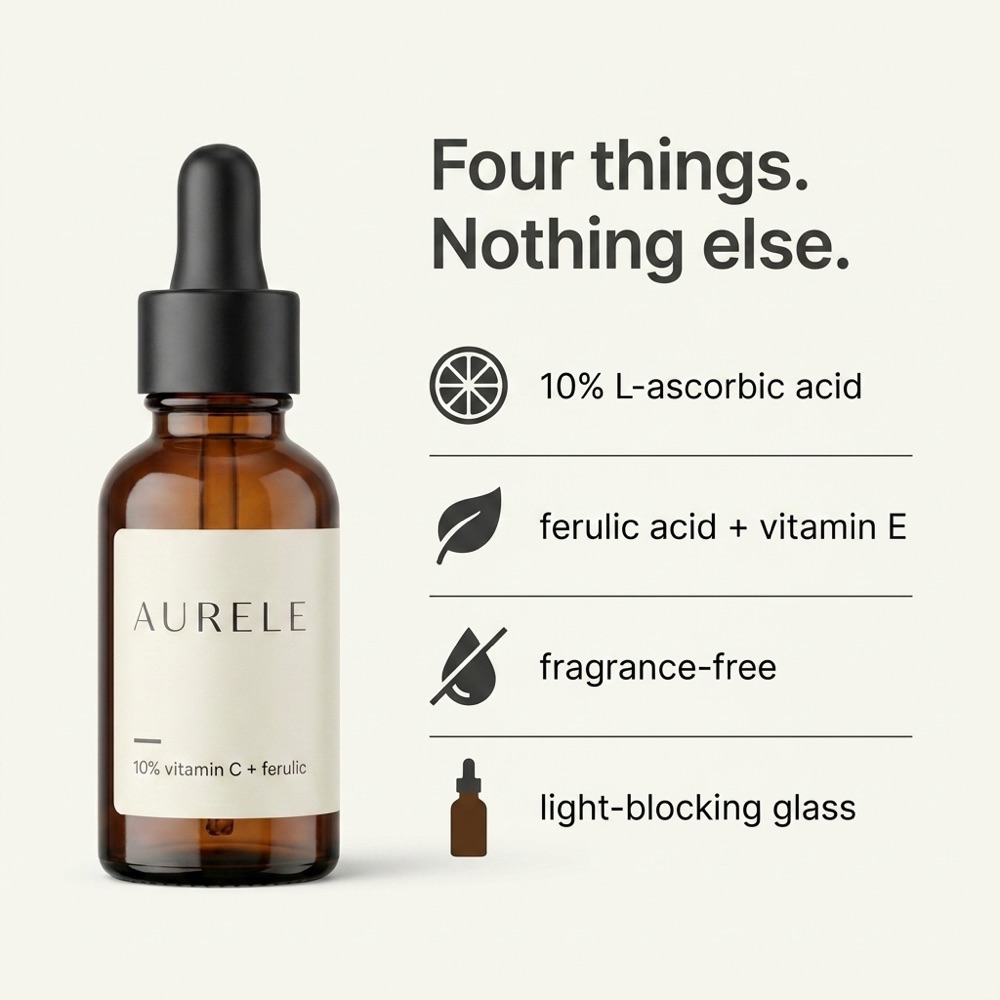
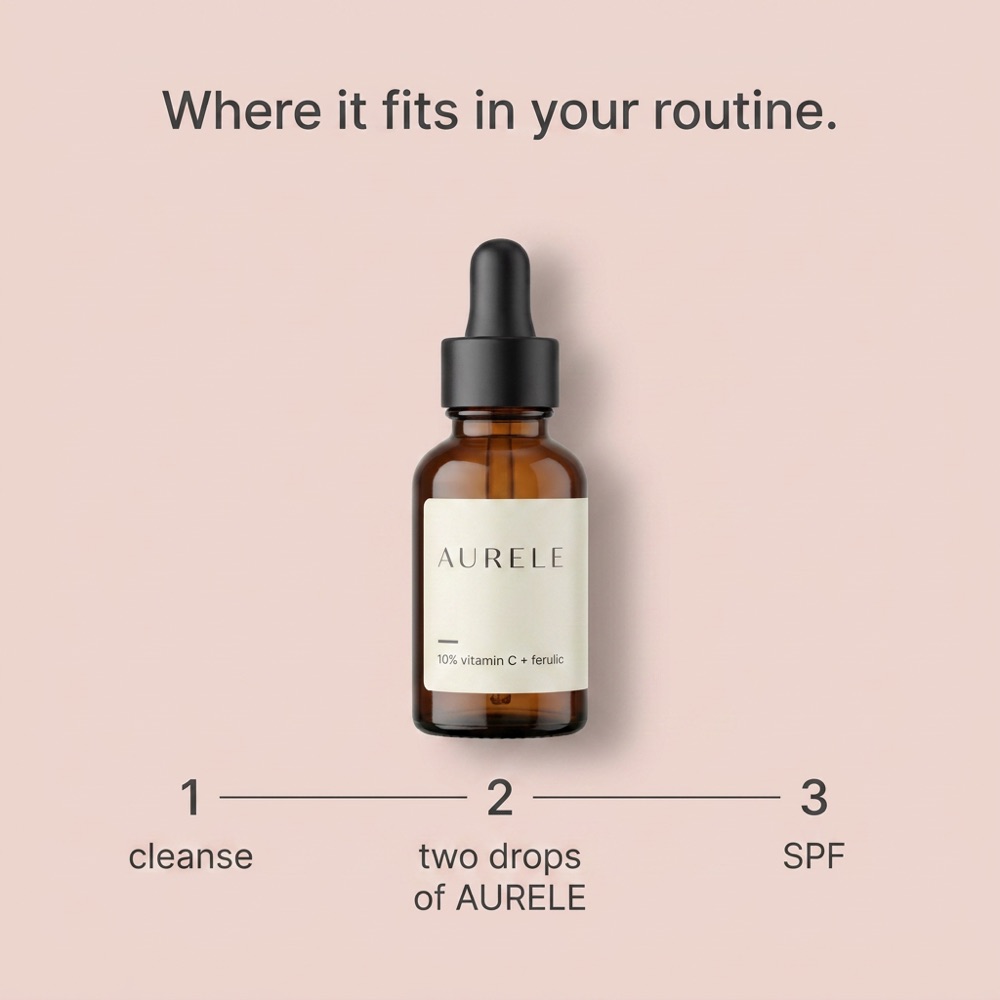
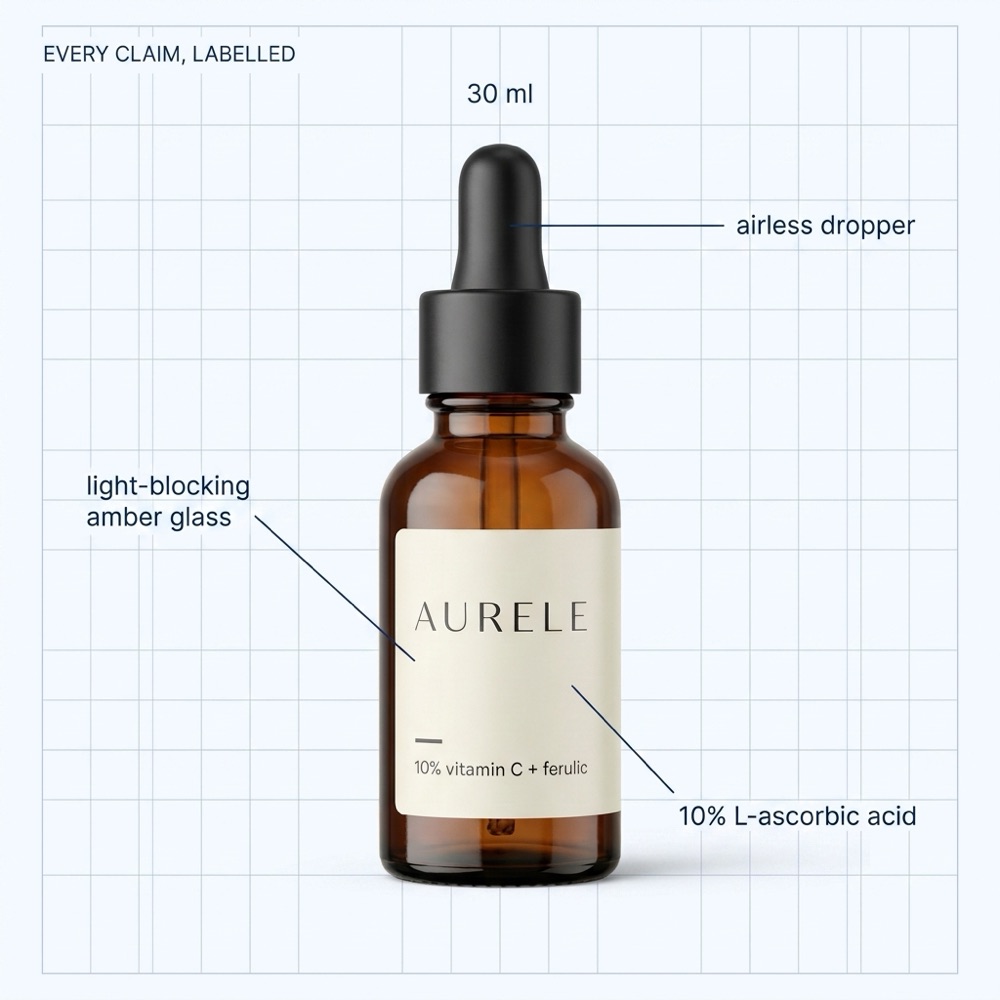
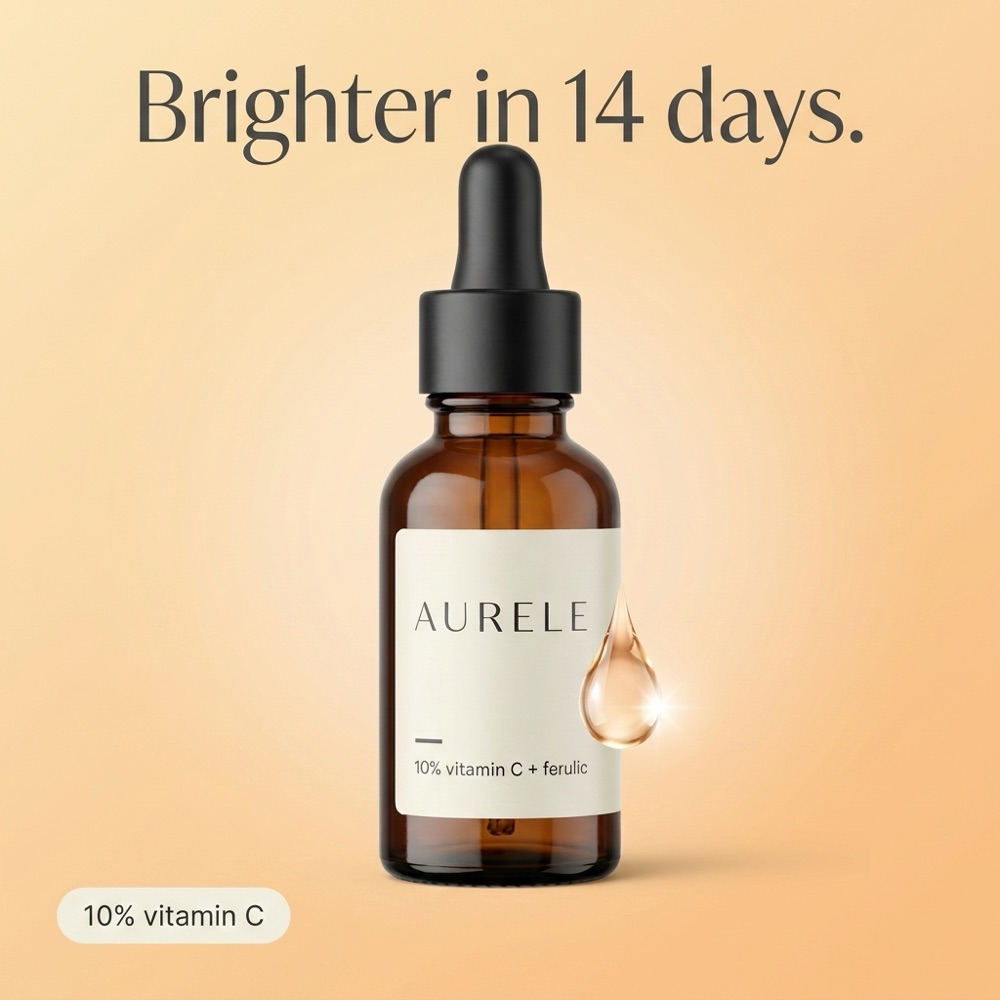
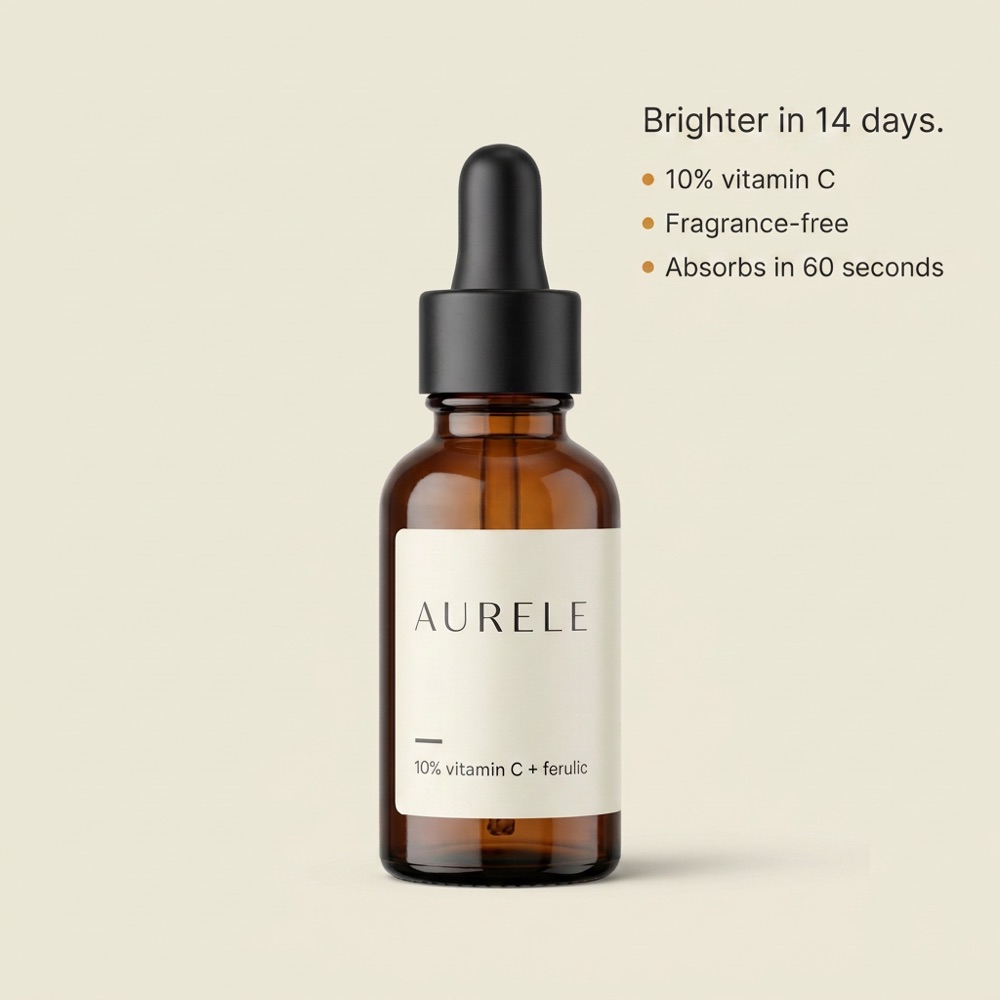
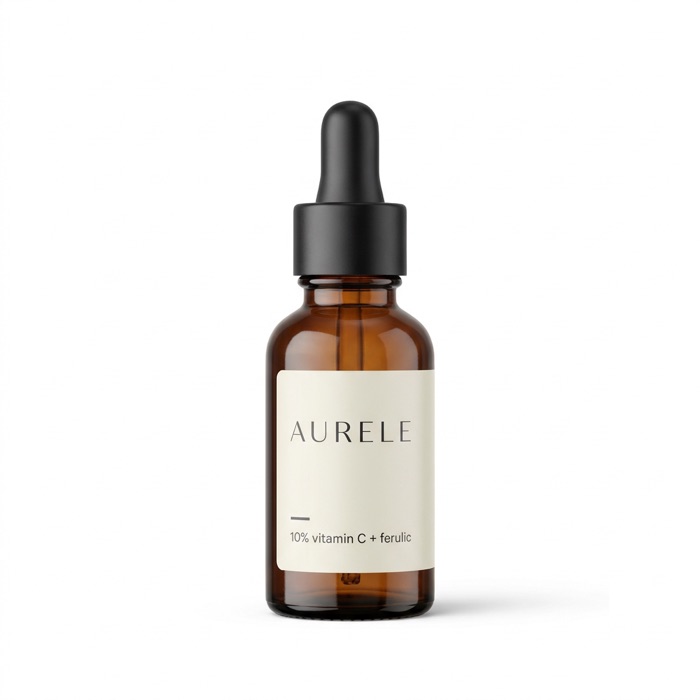
Aurele 10% Vitamin C + Ferulic Serum, 30 ml
Every review on your listing, plus up to ten on each competitor. The complaints matter most — they show what the category is failing at.
★★★★★Actually fades marks“Six weeks in and last summer's spots are noticeably lighter.”
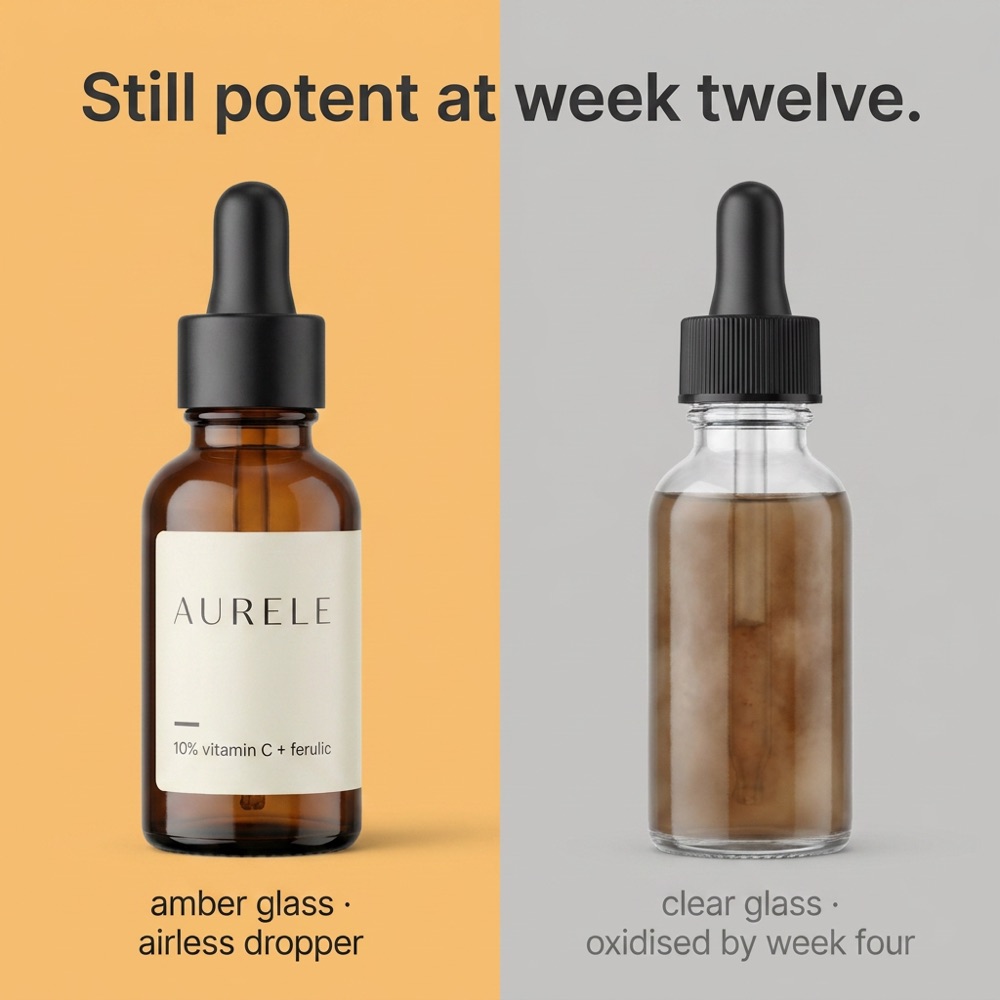
★★☆☆☆Turned orange“Went the colour of weak tea by week four.”
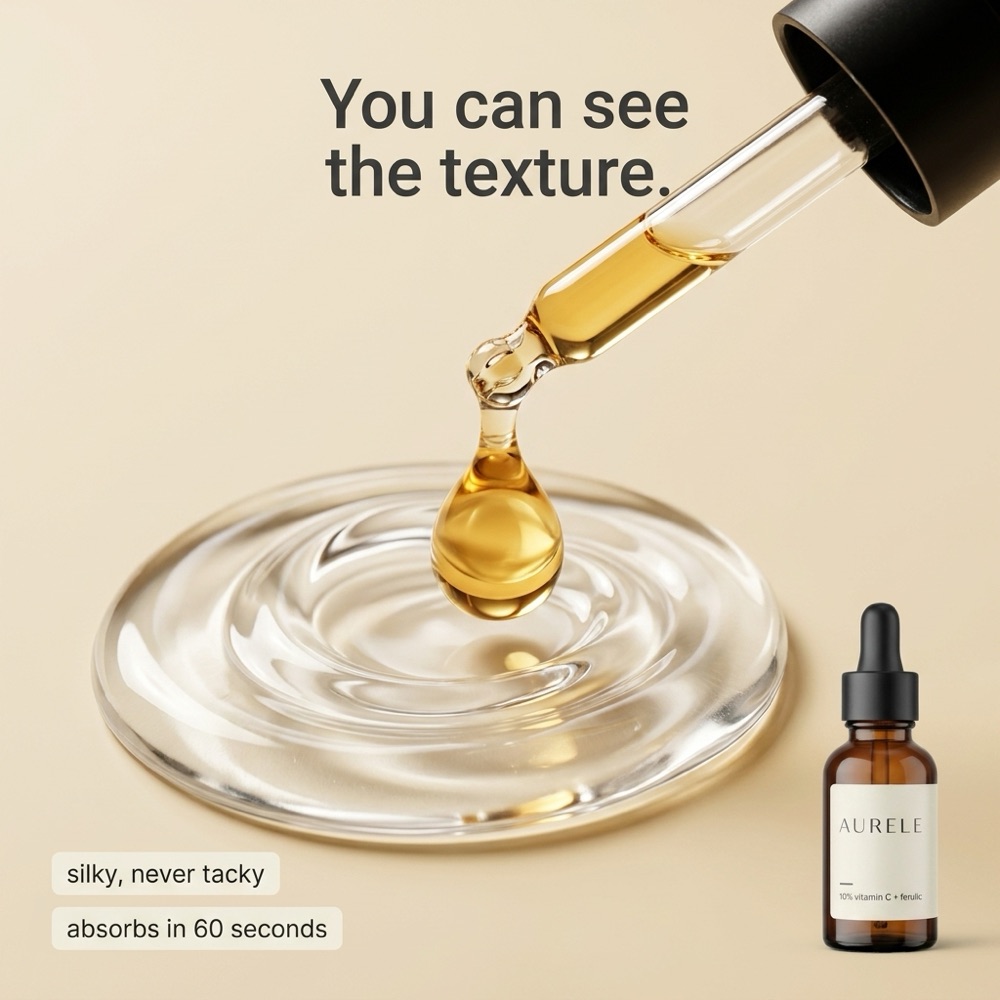
★★★☆☆Sticky finish“Works, but I wait ten minutes before makeup.”
Recurring complaints, tagged by source. A pain your rivals own is an opening; one you share is an objection to answer on the image.
We find the category best-seller list and scrape the top listings — the live ranking, not an assumption about who you're up against.
Only claims provable from your own bullets, specs and reviews — each with the evidence and the competitor it beats.
Position Aurele as the vitamin C that survives the bottle — stabilised, fragrance-free, and dry to the touch before your SPF.
No decoration, no stock scenes — reviews, competitors and pain points, turned into visuals.
Every generated image opens in a real editor — these four are the moves you'll use most.
Draw over any region and describe the change. Only that area is repainted — everything else stays pixel-identical.
make the bottle copper
Flattened headlines convert back into real, editable layers — rewrite the words, keep the design.
⿻ Layerize text
Regenerate one tile in a different style mode without touching the rest of the set.
◆ Studio
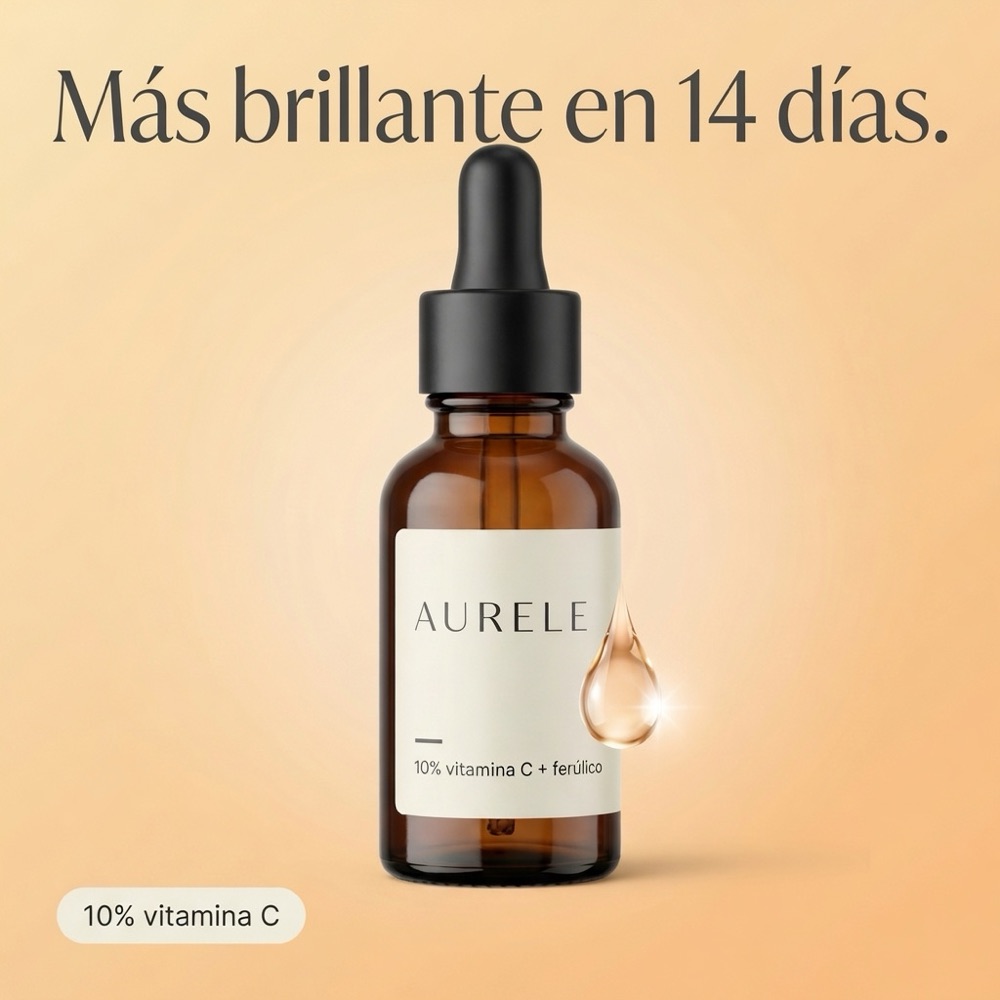
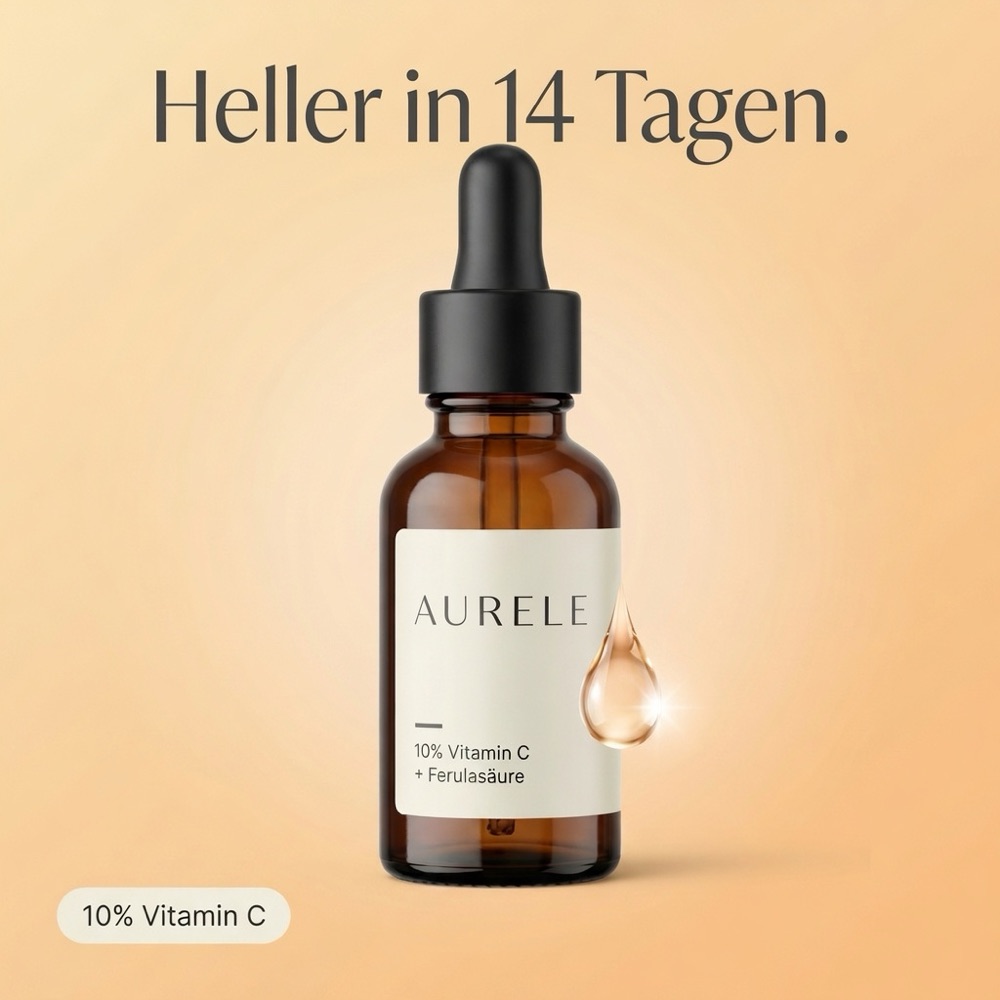
Redraw the whole image with every word translated — same layout, same product, thirteen languages.
🇪🇸 Español
🇩🇪 Deutsch
Nothing on the canvas is decoration. Here is one image from the set above, walked backwards to its source.
“Went the colour of weak tea by week four.”
Mined from the listing's own reviews — a recurring objection.
Amber glass, airless dropper
Written only because the listing data supports it.
“Still potent at week twelve.”
Headline, callouts and composition — decided before a single pixel.

One run produces the whole gallery: a different angle per image, one visual identity across all of them, square and ready to upload.
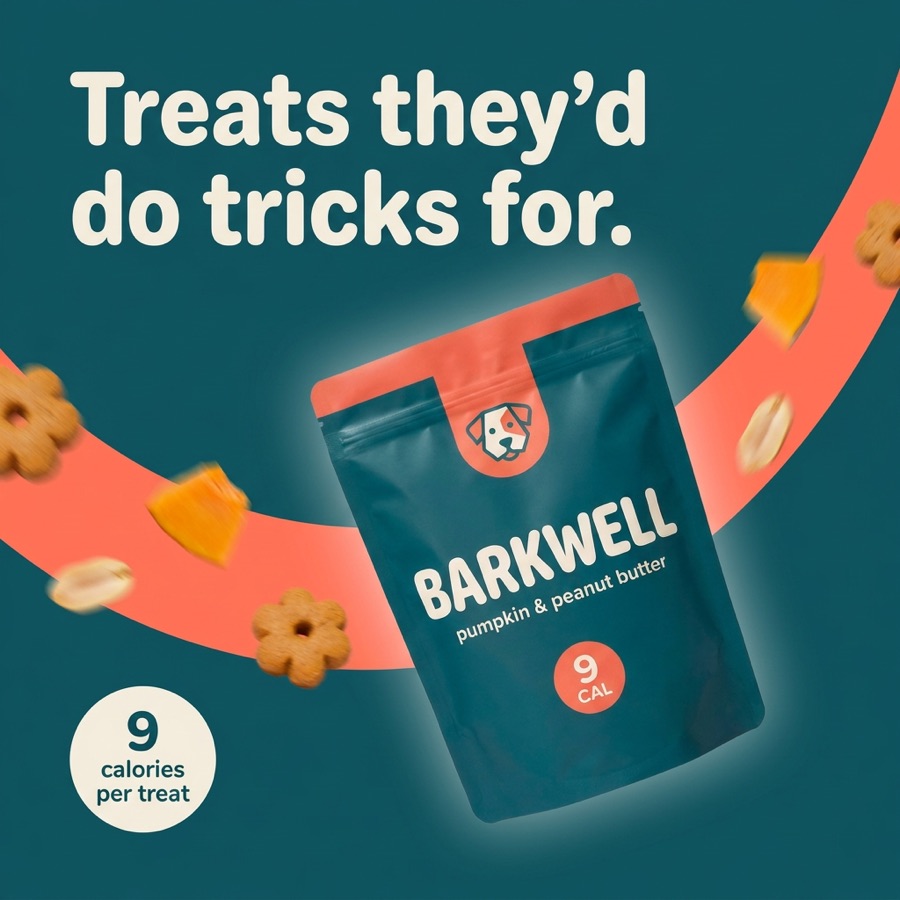
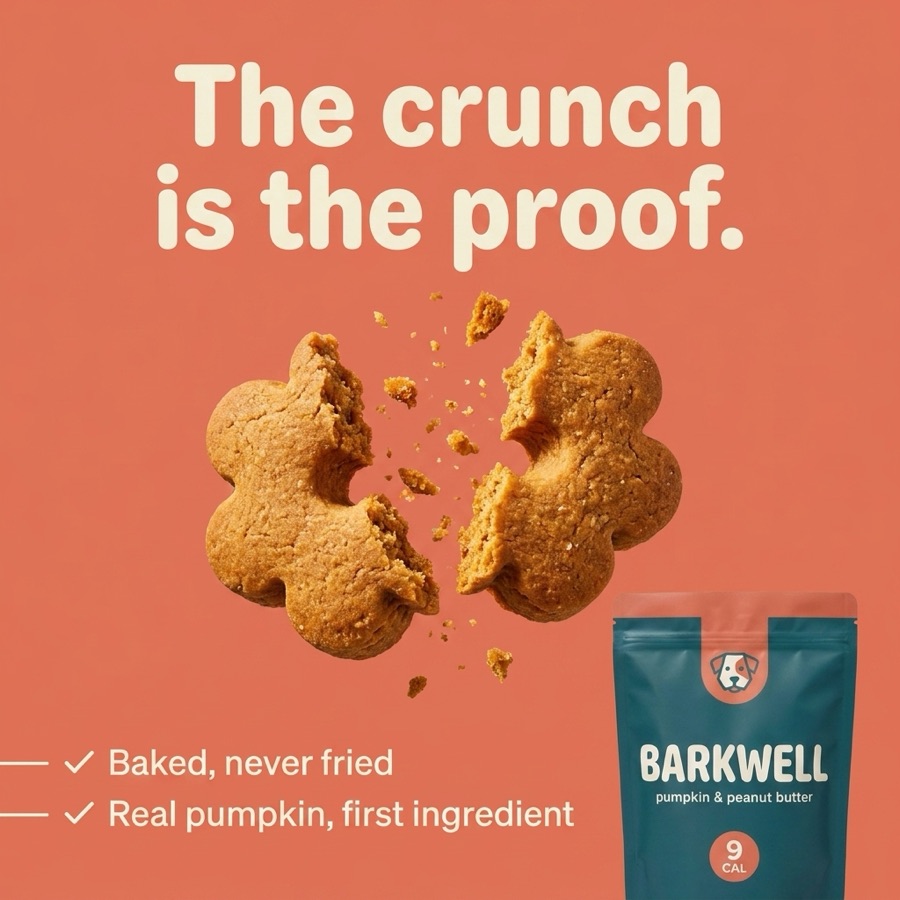
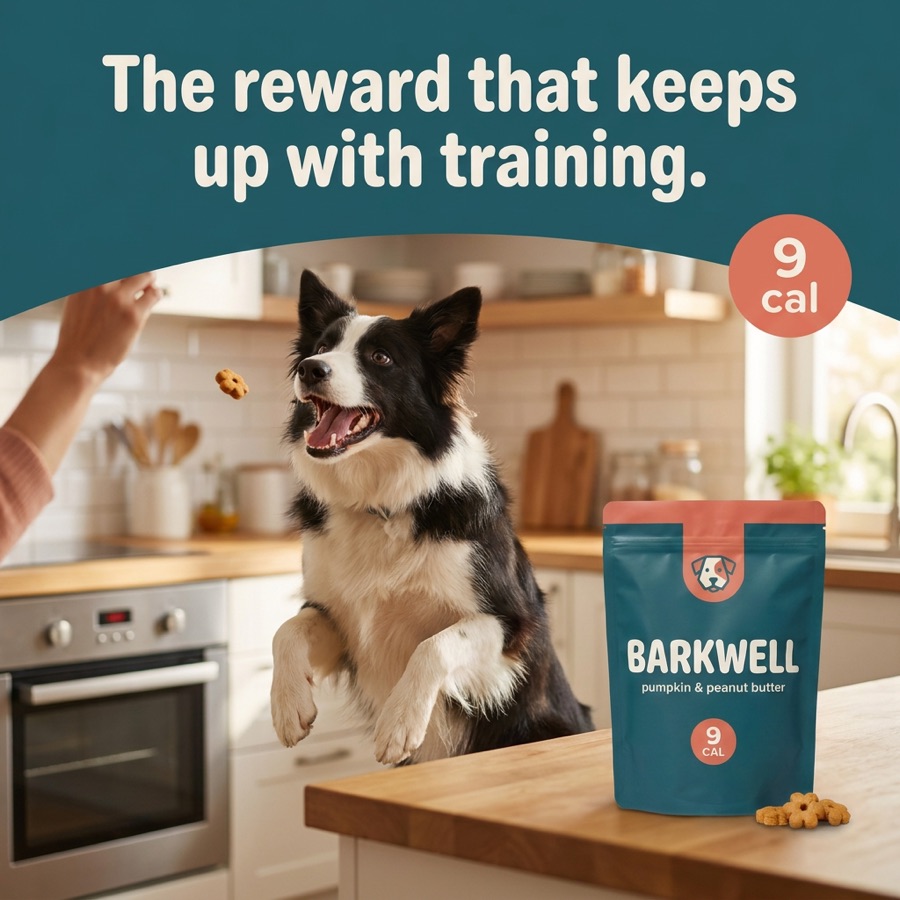
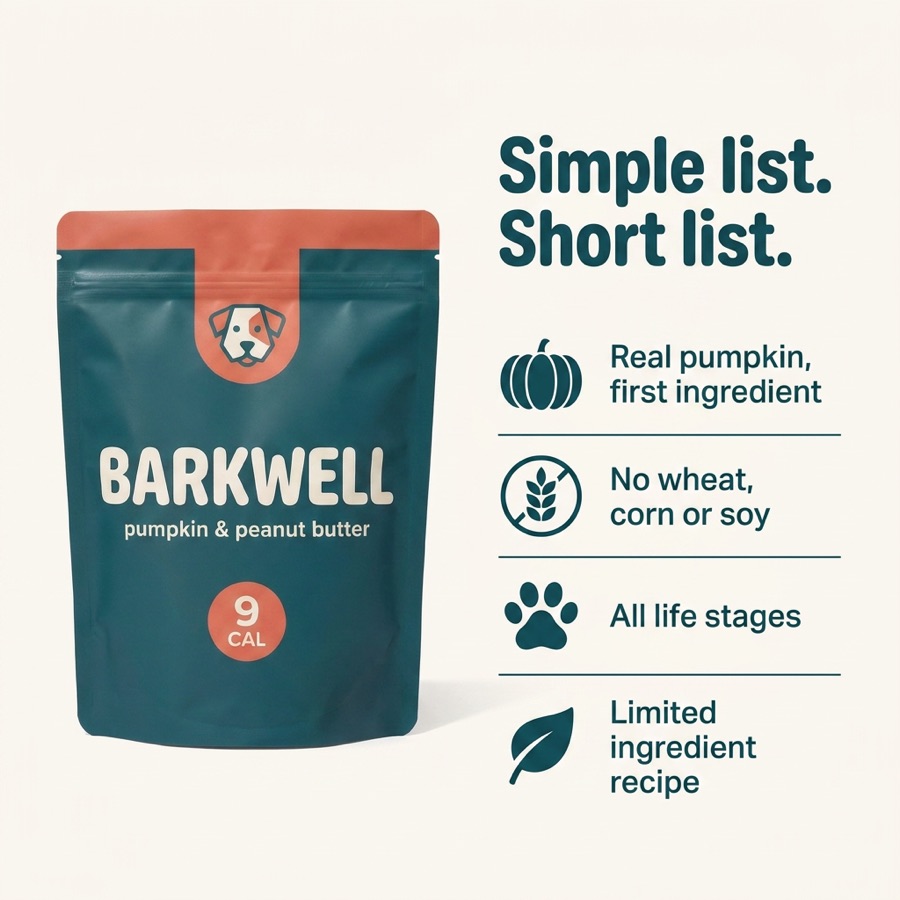
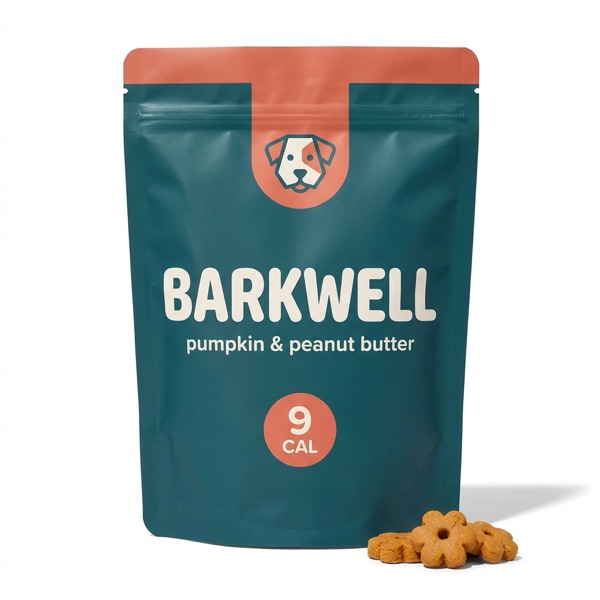
Barkwell Training Treats · B0F7K2M9QX


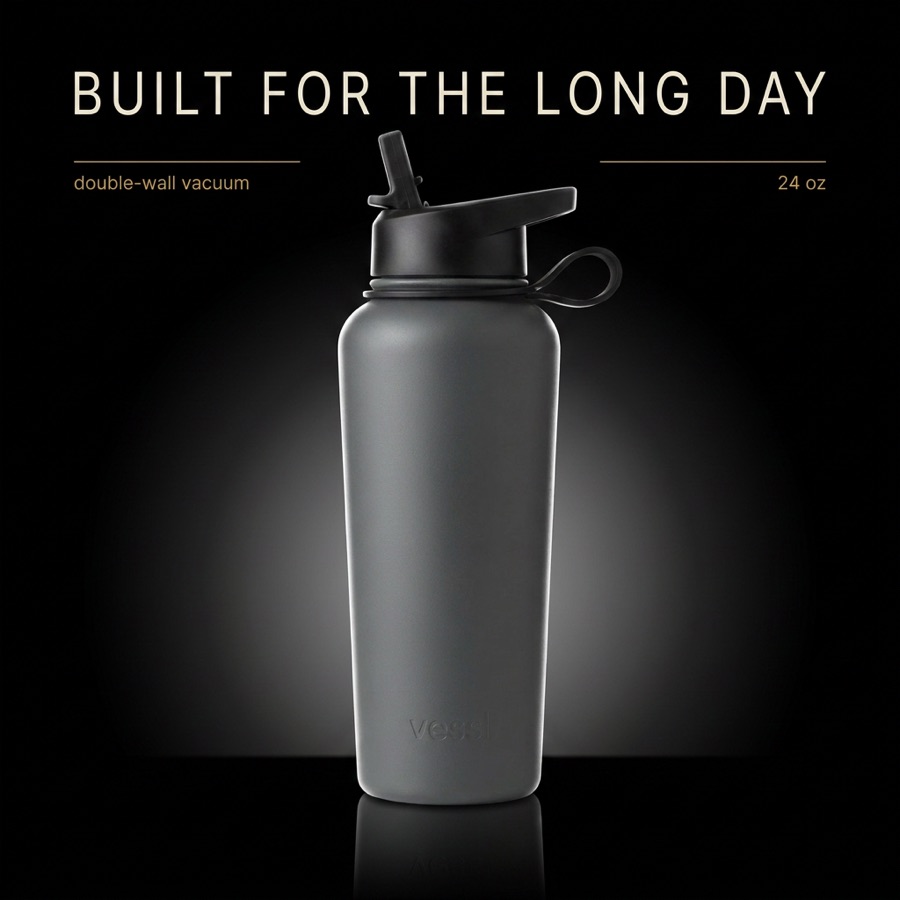
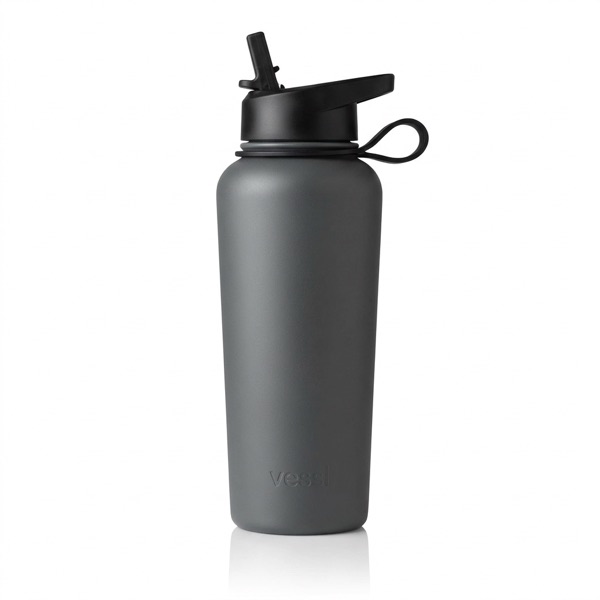
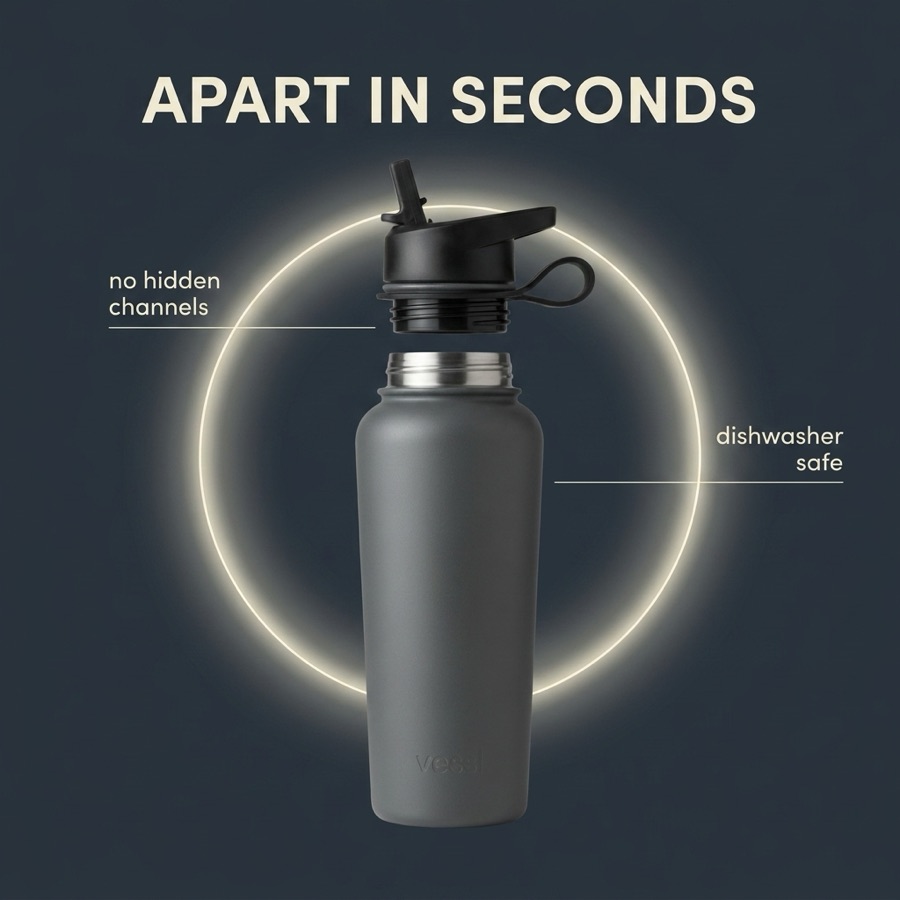
Vessl Insulated Bottle, 24 oz · B0G4R1TQ8N


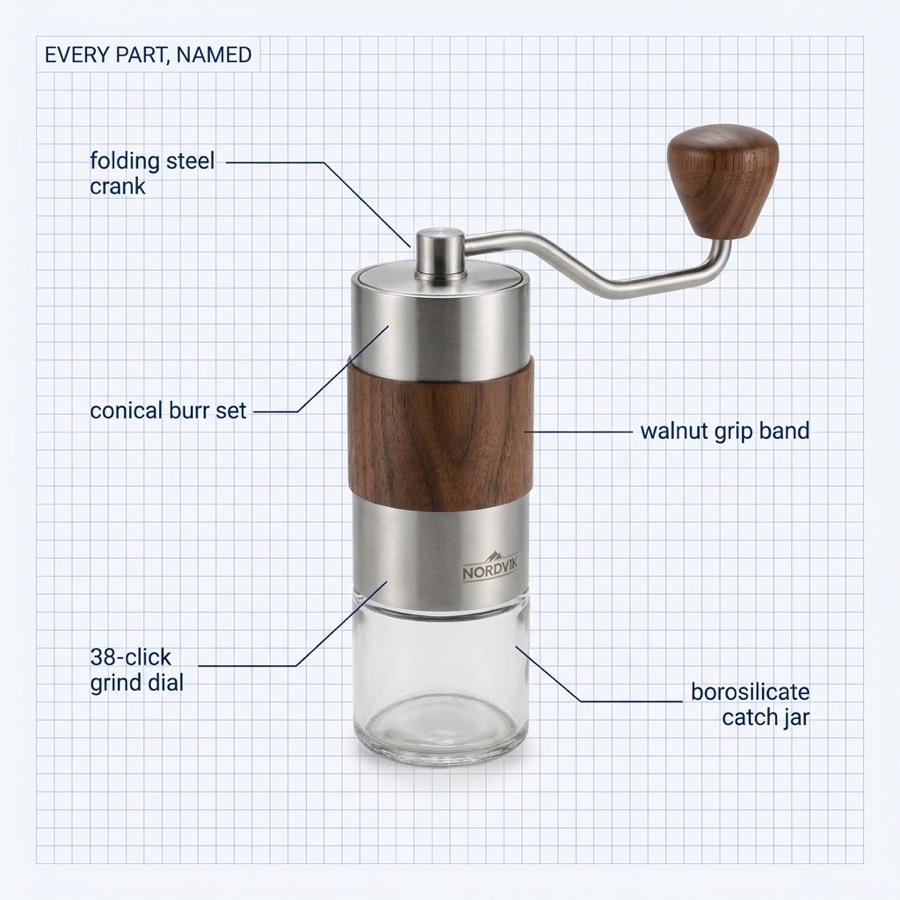
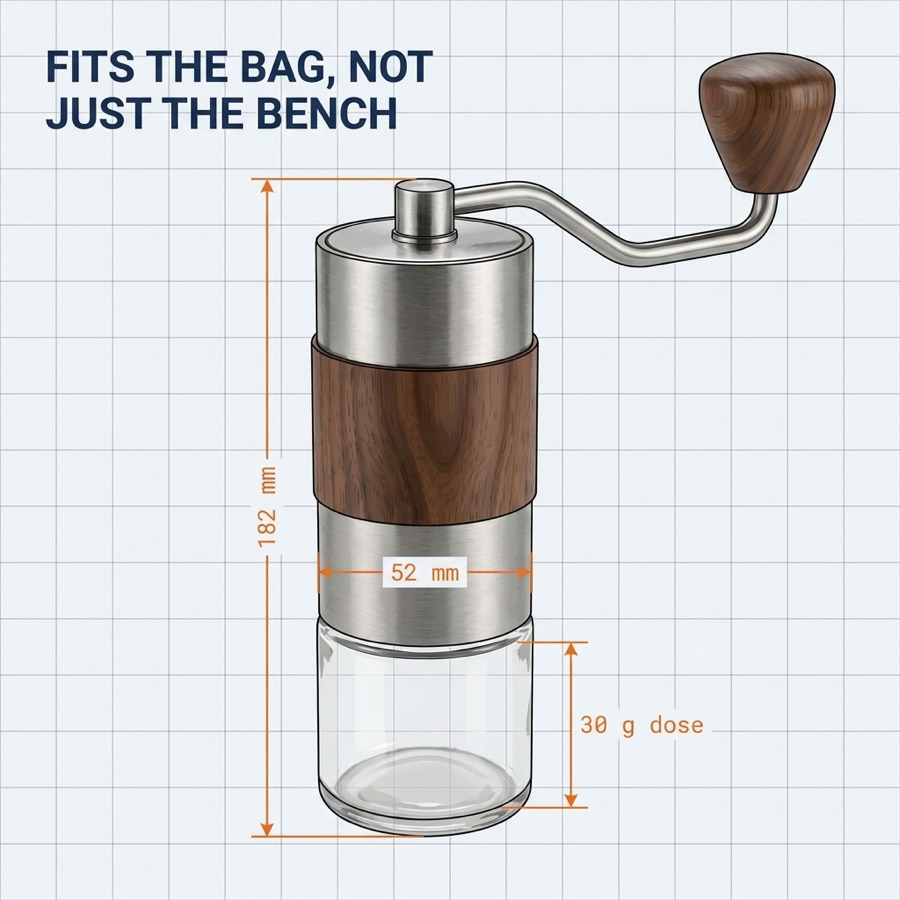
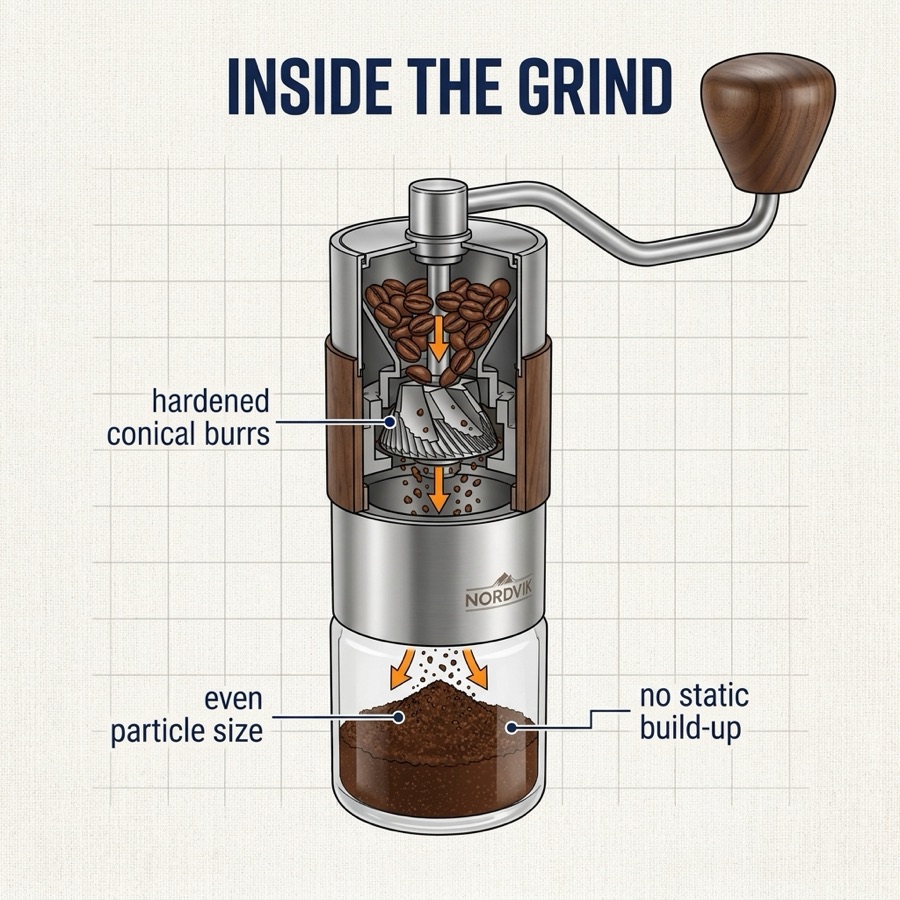
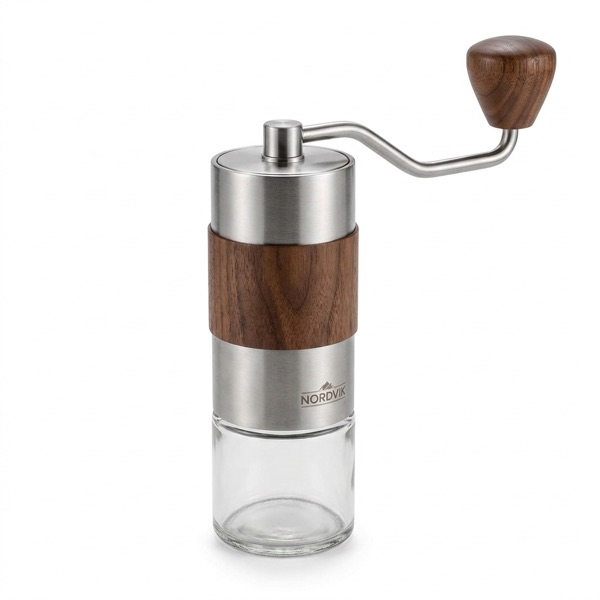
Nordvik Hand Coffee Grinder · B0H2W7VK5D


Three invented products, three style modes — so you can judge the output, not the brand behind it.
Choose the mode at generation time. Colours are sampled from your own packaging photo — unless your brand kit overrides them.


Same product, same research, four directions — and any single image can be regenerated on its own.
One or many, from any Amazon marketplace. Pick the country for bare ASINs.
Listing, reviews, the category best-seller list and twenty competitor listings — while you get on with something else.
Pick a style, or keep the one the research suggests, and add a line of art direction. Every script in the brief renders into one coherent gallery.
Open any image in the Studio, fix a word, repaint a region, then download at full resolution.
Every account begins with €10 of credits — enough to research a product and render a full set before you decide anything.
No. The brief is the prompt: the research produces one script per image, with the headline, the callouts and the composition already decided. You choose a style, add a line of art direction if you like, and you can rewrite any image afterwards in plain language.
Your live listing, its reviews, the category best-seller list, and the top competitor listings we fetch and read at that moment. Nothing is recalled from memory or invented.
The rule is strict: every statistic, rating, review count, price and guarantee in the brief must appear verbatim in the scraped data — if it isn't there, it never reaches an image. And you read the whole brief on screen before you spend a credit on generating anything.
Any Amazon domain — .com, .co.uk, .de, .fr, .es, .it and more. The brief and the copy on the images are written in the listing's own language.
Yes. Every image opens in the Studio, where you can repaint a highlighted region from a prompt, convert baked-in headlines back into real text layers, and adjust anything by hand.
Set a brand kit once — colours, headline and body fonts, logo and default style — and every generation uses it instead of the palette sampled from your packaging. You can upload your own font files too.
Research finishes in a few minutes: we fetch competitor listings politely, one at a time, rather than hammering Amazon. A full image set renders in about a minute after that.
The credits for failed images are refunded automatically, and you can regenerate any single image — with a note describing what to change — without touching the rest of the set.
Yes, they're yours: square, high-resolution files that work as A+ modules, eBay and Etsy galleries, Shopify sections, Instagram and TikTok posts or paid social creative.
€10 of credits, no card required. The research alone is worth the click.
Research my product